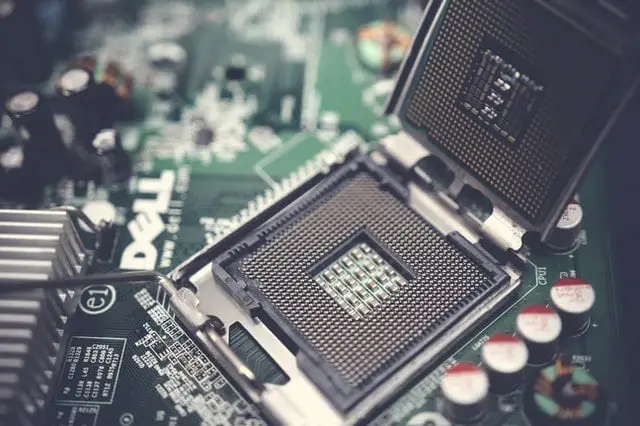
Single or dual processor servers, Which is the right one? The choice between single-processor (single-socket) and dual-processor (dual-socket) servers dictates your company’s IT scalability, Total Cost of Ownership (TCO), and overall performance. While modern single-socket servers offer massive power through high-core-count CPUs (perfect for SMBs, web hosting, and edge computing), dual-socket servers remain indispensable for dense virtualization, artificial intelligence, mission-critical databases, and high-performance computing (HPC). Choosing incorrectly can lead to either a severe technological bottleneck or a massive overspend on hardware and software licensing.
Table of Contents
Single vs. Dual Processor Servers: Which is the Right Choice for Your IT Infrastructure?
In the highly competitive and demanding field of server architecture, selecting hardware is not just a procurement task; it is a strategic business decision that directly impacts profitability, operational efficiency, and a company’s ability to scale. One of the foundational dilemmas faced by CTOs, IT managers, and system architects is defining the number of physical processors the motherboard will host.
Should you opt for a highly optimized single-processor server, or invest in the parallel computing power of a dual-processor system?
In the modern computing era (2025-2026), the answer is no longer as simple as “more is better.” With companies like AMD and Intel pushing the physical boundaries of core counts within a single chip, the line dividing these two ecosystems has become complex. In this definitive guide, we will break down the technical and financial aspects of each option so you can make an informed decision, avoiding costly over-provisioning or performance bottlenecks.
Anatomy of a Single-Processor (Single-Socket) Server
A single-processor server, as the name implies, operates on a motherboard equipped with a single socket housing one Central Processing Unit (CPU). Historically, these servers were relegated to minor background tasks. Today, thanks to high-density microprocessor architecture, a single chip can pack anywhere from 16 to over 128 physical cores.
Competitive Advantages and Cost Efficiency
- Capital Expenditure (CAPEX) Efficiency: Purchasing a single-socket server drastically reduces your initial hardware costs. Not only is there only one processor to buy, but the motherboard, chassis, and required power supplies are significantly cheaper.
- Power and Cooling (OPEX): A single processor means a lower Thermal Design Power (TDP) and reduced demand for advanced cooling systems. For businesses prioritizing Green IT and looking to cut data center electricity bills, this is a massive long-term advantage.
- Software Licensing Optimization: This is the most frequently overlooked factor. Most enterprise-grade software (such as VMware vSphere, Microsoft Windows Server, SQL Server, and Oracle) is licensed per-core and per-socket. A single-processor server radically reduces these recurring fixed costs.
- No NUMA Latency: With only one processor managing all RAM and PCIe (Peripheral Component Interconnect Express) lanes, there is no latency associated with communication between two separate processors—a phenomenon known in dual systems as NUMA architecture bottlenecks.
Disadvantages and Hardware Bottlenecks: Single or dual processor servers, Which is the right one?
- RAM and PCIe Lane Limits: A single processor has a finite number of memory channels and PCIe lanes. If your infrastructure requires petabytes of ultra-fast NVMe storage or multiple terabytes of RAM, a single CPU will hit its physical ceiling.
- Single Point of Failure (SPOF): Although modern server CPUs are incredibly reliable, if the only physical CPU fails, the entire server goes down. In architectures where intra-server high availability is critical, this poses a risk.
Ideal Enterprise Use Cases
Single-socket servers are the smartest and most cost-effective choice for:
- Web Servers and E-commerce: For the vast majority of web platforms (like WordPress clusters or Magento), a modern high-frequency processor handles millions of requests effortlessly.
- File Servers and Storage (NAS/SAN): I/O operations that do not require intense mathematical processing.
- Edge Computing: Distributed environments where physical space and power consumption are strictly limited.
- SMB Infrastructure: Domain controllers, local database servers, and active directory management.
(CTA BLOCK RECOMMENDED: “Over 60% of SMBs overspend on server hardware. Unsure if a single-socket setup is enough for your workload? Schedule a technical audit with Angel E. Ortiz today.“)
Architecture of Dual-Processor (Dual-Socket) Servers
A dual-processor server features a motherboard with two sockets, allowing two identical CPUs to work in tandem. This is the undisputed king of Enterprise Data Centers.
Understanding NUMA Architecture and Performance
To fully grasp dual-socket servers, you must understand NUMA (Non-Uniform Memory Access). In a dual server, each processor has its own dedicated bank of RAM. If Processor A needs to access data stored in Processor B’s RAM, the data must travel across an interconnect bus (like Intel UPI or AMD Infinity Fabric). This introduces micro-latency. Therefore, system administrators must configure applications (like SQL databases or hypervisors) to be “NUMA-Aware,” ensuring that processes run on cores closest to their local memory. When optimized correctly, the performance output is colossal.
Massive Scalability and Redundancy
- Raw Compute Power: Doubling the processors means doubling the cores, threads, and parallel mathematical calculation capabilities. This is indispensable for heavy data mining.
- Unprecedented I/O Expansion: Two processors provide twice the PCIe lanes and memory channels. This allows for the installation of multiple GPUs (for AI and Deep Learning), 100GbE network cards, and ultra-high-performance NVMe arrays.
- Virtual Machine (VM) Density: In dense virtualization environments, the ability to house massive amounts of RAM (up to 4TB or more) and physical cores reduces the number of physical servers (and thus rack space) needed in a data center.
The Hidden Costs: Software Licensing and OPEX
The biggest danger of the dual-socket route is financial. As mentioned, Oracle, Microsoft, and VMware charge by the physical core. If you run a dual-socket server with two 32-core processors (64 total cores), your software licensing costs over a 3-year period can easily exceed the cost of the hardware itself by 500%. Furthermore, they require redundant, high-capacity power supplies (1000W – 2000W), driving up OPEX significantly.
When is a Dual-Socket Mandatory?
- Large-Scale Virtualization (HCI / Private Cloud): Massive server consolidation using VMware ESXi, Proxmox VE, or Microsoft Hyper-V.
- In-Memory Databases and Big Data: SAP HANA or massive SQL/Oracle clusters requiring RAM capacities that exceed single-processor limits.
- Artificial Intelligence and HPC: Industrial-grade 3D rendering, scientific simulations, fluid dynamics, and training Large Language Models (LLMs).
- VDI Platforms (Virtual Desktop Infrastructure): Providing remote desktops to thousands of simultaneous employees.
Dual processor or two processor servers
Dual-processor servers, also known as dual-socket servers, are systems that are equipped with two central processors (CPUs) instead of one. These servers are designed to offer higher performance and processing capacity compared to single processor servers. Below, we’ll explore the key features and benefits of dual-processor servers:
- Improved performance: By having two processors working in parallel, dual-processor servers offer greater performance and processing power compared to single-processor servers. They are ideal for intensive workloads that require high processing power, such as complex enterprise applications, data analytics, or database servers.
- Greater scalability: Dual-processor servers allow for greater scalability in terms of processing power and memory. By having two CPU sockets, you have the option to add more cores and memory as your business needs grow, giving you the flexibility to expand server performance as needed.
- Redundancy and fault tolerance: A key benefit of dual-processor servers is their greater fault tolerance. If one processor experiences a problem or failure, the other processor can continue operating, avoiding a complete server outage. This is especially important in enterprise environments where service availability and continuity are critical.
- Advanced virtualization: Dual-processor servers are especially suitable for virtualization, as they can support a greater number of virtual machines simultaneously. This allows for efficient server consolidation, resulting in better resource utilization and greater efficiency in the data center.
- CPU-intensive workloads: If you have applications or workloads that require high CPU performance, such as scientific simulations, 3D rendering, or image processing, dual-processor servers offer the processing power needed to handle these tasks efficiently. efficient.
It is important to note that dual-processor servers also have some additional considerations, such as higher initial cost, higher power consumption, and higher cooling requirements compared to single-processor servers. Additionally, it’s crucial to evaluate your specific needs and workloads before opting for a dual-processor server, to ensure you’re getting the most out of its capabilities and justifying its additional cost.
Dual processor server use cases
Dual processor web servers are a good choice for businesses that need to handle a high volume of traffic or run demanding applications. They offer more processing power than single-processor servers, which can help improve performance and responsiveness.
Here are some of the common use cases for dual processor web servers:
E-commerce websites: E-commerce websites often need to handle a high volume of traffic, especially during peak shopping seasons. A dual-processor web server can help ensure that the website remains responsive and that customers can complete their transactions without delay.
- Content management systems (CMS): CMS platforms like WordPress and Drupal can be demanding on web servers. A dual processor web server can help improve the performance of these platforms and ensure that they can handle a high volume of traffic.
- Media streaming services like Netflix and Hulu require a lot of processing power to deliver high-quality video and audio to users. A dual-processor web server can help ensure that these services can deliver a consistent level of performance, even during peak usage.
- Virtualized environments: Virtualized environments allow companies to run multiple operating systems and applications on a single server. It can be a cost-effective way to consolidate IT resources and improve efficiency. However, virtualization can also overload server resources. A dual-processor Web server can help ensure that virtualized environments run smoothly and efficiently.
If you are considering a dual-processor Web server, it is important to choose one that has the right amount of processing power, memory, and storage for your needs. You should also ensure that the server has the features and functionality that you require.
These are some of the factors to consider when choosing a dual processor web server:
- Processing power: The amount of processing power you need will depend on the number of users you expect to have on your website and the applications you run.
Memory: Memory is important for storing data that is being used by your applications. A dual-processor web server should have at least 16GB of memory, but you may need more if you have a high volume of traffic or run demanding applications. - Storage: Storage is used to store data such as website files, database files, and user data. A dual-processor web server should have at least 1TB of storage, but you may need more if you have a large website or store a lot of data.
- Features and functionality: Some dual processor web servers come with features such as load balancing, failover and clustering. These features can help improve the performance and reliability of your website.
If you are not sure which dual processor Web server is right for you, you can consult with a Web hosting provider or IT consultant. They can help you evaluate your needs and choose a server that meets your requirements.
Server CPU with dual processors
There are many different CPUs that can be used in dual processor servers. Some of the most popular options include:
- Intel Xeon Silver 4200 series: These CPUs offer good performance and value for money, making them a good choice for small businesses and home users who need a reliable and powerful server.
[Imagen de la CPU Intel Xeon Silver serie 4200]. - AMD Ryzen 7 5000 Series CPUs: These CPUs offer high performance and excellent value for money, making them a good choice for businesses and home users who need a powerful server capable of supporting demanding workloads.
[Imagen de la CPU AMD Ryzen 7 serie 5000]
When choosing a CPU for your dual processor server, you should also consider the following factors:
- Number of cores: The number of cores in a CPU determines how many tasks it can execute at the same time. More cores mean better performance for tasks that require multiple operations, such as virtualization and video editing.
- Clock Speed: The clock speed of a CPU determines how fast it can execute instructions. A higher clock speed means better performance in tasks such as gaming and web browsing.
- Cache Size: The cache size of a CPU determines the amount of data it can store for quick access. A larger cache size means better performance for tasks such as database access and file transfers.
Once you take all these factors into account, you can choose the CPU that best suits your needs and budget.
In addition to the CPU, there are other factors you should consider when choosing a dual-processor server. These include:
- RAM: RAM is used to store the data used by your applications. The amount of RAM you need will depend on the number of applications you run and the amount of data they use.
- Storage: Storage is used to store data such as website files, database files, and user data. The amount of storage you need will depend on the size of your website and the amount of data you store.
- Features: Some dual processor servers come with features such as load balancing, failover, and clustering. These features can help improve the performance and reliability of your server.
If you are not sure which dual processor server is right for you, you can consult with a web hosting provider or IT consultant. They can help you evaluate your needs and choose a server that meets your requirements.
Performance Comparison: Single and Dual Processor Servers
Single-processor servers and dual-processor servers are powerful machines that can perform a wide variety of tasks. However, there are some key differences between the two types of servers that can affect their performance.
Uniprocessor servers have a single central processing unit (CPU), which is the main component that performs calculations and executes instructions. Single-processor servers are typically less expensive than dual-processor servers, and can be a good option for businesses that don’t need a lot of processing power.
Dual processor servers have two CPUs, which can provide a significant performance increase compared to single processor servers. Dual processor servers are a good choice for businesses that need to handle a high volume of traffic or run demanding applications.
In general, dual-processor servers offer better performance than single-processor servers. However, single-processor servers can be a good option for businesses that don’t need a lot of processing power.
Here are some additional factors to consider when choosing between a single-processor server and a dual-processor server:
- The number of users: If you expect a large number of users to access your server, a dual-processor server may be a better option.
- The type of applications you will be running: If you will be running demanding applications, such as virtualization or video editing, a dual-processor server may be a better choice.
- Your budget:** Dual processor servers are typically more expensive than single processor servers.
If you are not sure which type of server is best for you, you can consult a web hosting provider or computer consultant. They can help you evaluate your needs and choose the right server for your business.
The Ultimate Comparison: Single-Socket vs. Dual-Socket
| Technical Feature | Single-Socket (1 Processor) | Dual-Socket (2 Processors) |
| Target Audience | SMBs, Web Hosting, Edge, Startups | Enterprise, Datacenters, AI Labs |
| Initial Cost (CAPEX) | Low to Medium | Very High |
| Software Licensing | Low (Optimized per core) | Very High (Requires strict auditing) |
| Maximum RAM limits | Typically 1TB – 2TB | 4TB – 8TB+ (Chipset dependent) |
| Architecture Complexity | Low (No NUMA impact) | High (Requires NUMA-Aware tuning) |
| CPU Redundancy | No (Single point of failure) | Yes (Hardware failure mitigation) |
Choose the correct server configuration
Choosing the right server configuration is important for businesses of all sizes. Proper configuration can help improve performance, reliability, and security.
There are a number of factors to consider when choosing a server configuration, including:
The number of users: The number of users who will access the server will affect the amount of processing power, memory, and storage required.
The type of applications: The type of applications that will run on the server will also affect the amount of processing power, memory, and storage required.
- The budget: The available budget will also affect the type of server that can be purchased.
Once these factors are considered, different server configurations can be considered. Some common configurations include:
- Single Processor Server: A single processor server is a good option for businesses with a small number of users and that do not run demanding applications.
- Dual Processor Server:** A dual processor server is a good option for businesses with a medium number of users and running demanding applications.
- Multiprocessor server:** A multiprocessor server is a good option for companies with a large number of users and that run very demanding applications.
It is important to note that the number of processors is not the only factor that affects performance. The type of processor, the amount of memory, and the amount of storage also play a role.
When choosing a server configuration, it is important to consult a qualified IT professional. It can help you evaluate your business needs and recommend the right setup.
Here are some additional tips for choosing the right server configuration:
- Over-provisioning: Over-provisioning is the practice of purchasing more processing power, memory, and storage than is currently needed. This can help ensure that the server can handle future growth.
- Scalability: Scalability is the ability of the server to update itself to meet increasing demands. This can be done by adding more processors, memory or storage.
- Redundancy: Redundancy is the ability of the server to continue functioning even if a component fails. This can be achieved by using multiple processors, drives, or power supplies.
Security: Security is an important consideration when choosing a server configuration. The server must be protected from unauthorized access, data loss and malware.
By following these tips, you will be able to choose the right server configuration for your company. This will help ensure that your server can meet your needs and requirements.
The Impact of TCO (Total Cost of Ownership) on Your Decision
When evaluating infrastructure, the hardware purchase price represents only 20% to 30% of the 5-Year Total Cost of Ownership. True TCO includes:
- Hardware maintenance and support (NBD or 24/7 warranties).
- Power consumption and data center cooling (HVAC).
- Virtualization and database license renewals.
The IT Architect’s Golden Rule: Never buy a dual-processor server “just in case.” Today, it is far better to buy a high-end single-socket server than a dual-socket server with two mediocre processors. If growth demands more resources, modern infrastructure philosophy advocates for Scaling Out (adding more single-socket nodes to a cluster) rather than Scaling Up (over-provisioning a single machine).
Frequently Asked Questions (FAQ)
Should a server be a single or multi-user processor machine?
This question often stems from confusing “single/dual processors” with “single-user/multi-user” operating systems. By absolute definition, a server is a multi-user machine. A server is designed at both the OS level (like Linux Server or Windows Server) and hardware architecture level to handle concurrent requests from multiple users, devices, or applications across a network.
Whether the physical hardware uses a single processor (single-socket) or multiple processors (dual-socket) does not change this multi-user nature. A modern, powerful single-processor server can seamlessly handle thousands of simultaneous users. The real distinction lies in the processor architecture itself: server CPUs are built for massive multithreading, high cache memory, and parallel I/O operations, unlike desktop (single-user) processors that prioritize raw speed on one or two cores for individual tasks.
Can a single-processor server handle virtual machines efficiently?
Yes, absolutely. This is one of the biggest legacy myths in IT. With the advent of processors like the AMD EPYC, which can house up to 128 physical cores and 256 threads in a single socket, a single-processor server can host dozens, or even hundreds, of virtual machines efficiently, depending on the workload of each VM. The bottleneck is rarely the CPU anymore; it is usually the maximum RAM the motherboard can support.
How does processor choice affect Windows Server or VMware licensing?
It affects it drastically and can ruin your IT budget if not planned for. Microsoft Windows Server, for example, requires a minimum of 16 physical cores to be licensed per server, regardless of whether you use them or not. If you buy a dual-socket server with two 16-core processors (32 total), you must buy licenses for all 32 cores. VMware vSphere and SQL Server also structure their pricing based on core and socket counts. In many ROI scenarios, buying a single 24-core processor is vastly cheaper in software costs than using two 12-core processors, while delivering nearly identical performance.
Conclusion: Making the Strategic Business Decision
The choice between single-processor and dual-processor servers is not a debate of “good vs. bad,” but rather “adequate vs. over-provisioned.”
- If your company is looking for extreme ROI, lower software licensing costs, reduced power consumption, and needs to run web servers, office applications, or light-to-medium virtualization, the Single-Socket Server is the undisputed champion for 2026.
- On the other hand, if your infrastructure is the backbone for mission-critical In-Memory databases, massive enterprise virtualization for thousands of employees, or AI development, the investment in a Dual-Socket ecosystem is fully justified by its I/O scalability and fault tolerance.
A poorly dimensioned server architecture sinks entire digital strategies under the weight of slow page loads and database crashes. Technology should propel your business forward, not act as a financial anchor.
Is your current technical infrastructure aligned with your marketing and sales goals? Don’t let poor hardware choices ruin your digital profitability. At Pcweb.info, we bridge the gap between systems infrastructure and business growth strategies.
Additional external resource: techtarget
Read also: History of Cloud computing; What is computing science?; Samsung M34 5G review
Editions 2021-22-23-26

- Autómatas Mecánicos: Del Legado Islámico al Renacimiento (1206-1700) - octubre 9, 2026
- Historia de la robótica, cronología, línea de tiempo, IA (2026) - octubre 9, 2026
- Autómatas del Siglo XVIII: La Era Dorada de la Automatización Mecánica (1700-1773) - octubre 9, 2026